
Vanguard Cities Case Studies: Initiatives to Prevent and End Homelessness
The Vanguard Program collaborates with 18 cities, states, and countries across six continents, all committed to significantly reducing or ending homelessness. This partnership further elevates each community’s work by supporting strategy development and data collection, engaging stakeholders in coalition building, and sharing lessons learned with an international network. The ultimate goal is to have a meaningful impact on homelessness worldwide.
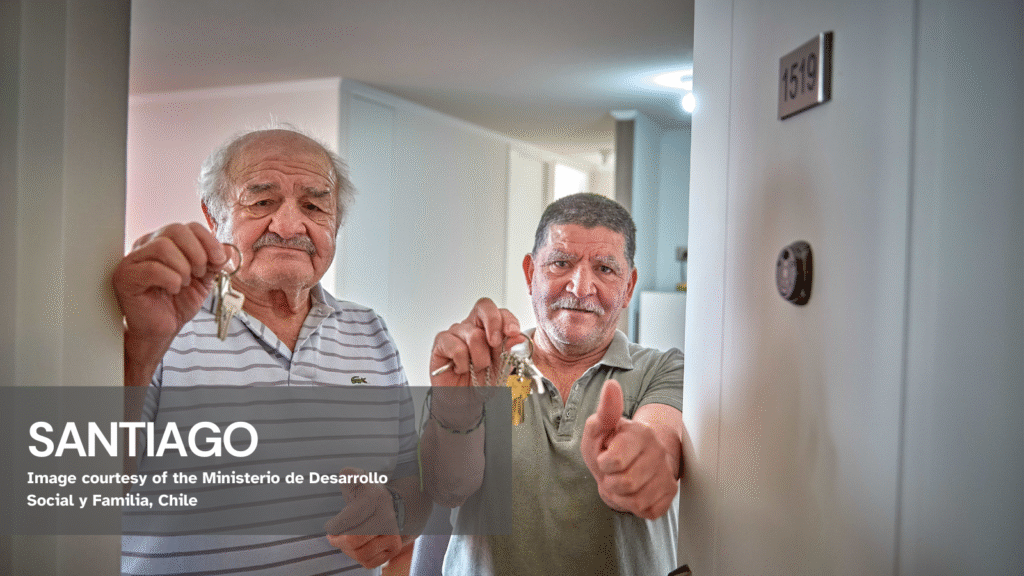
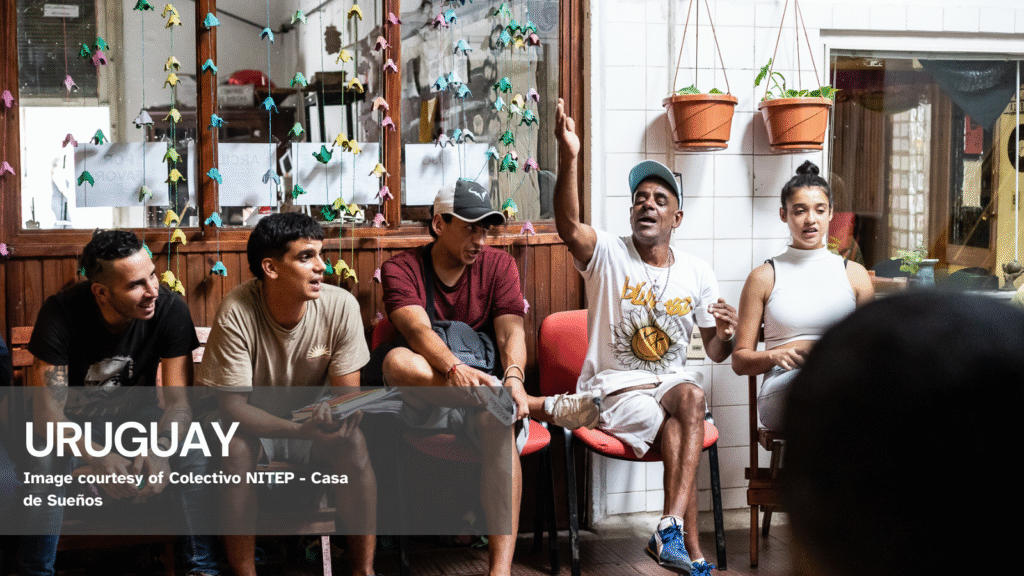
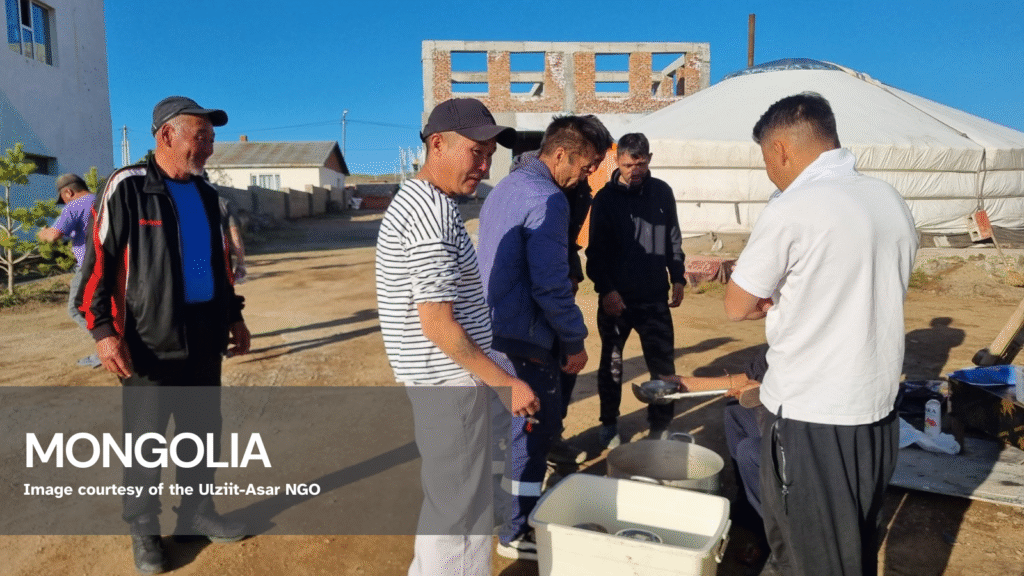
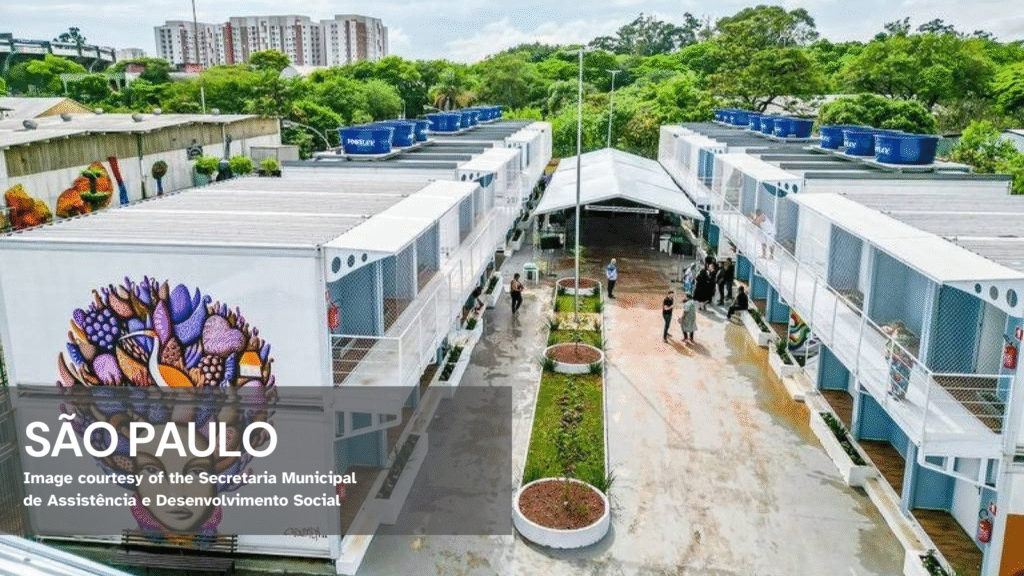
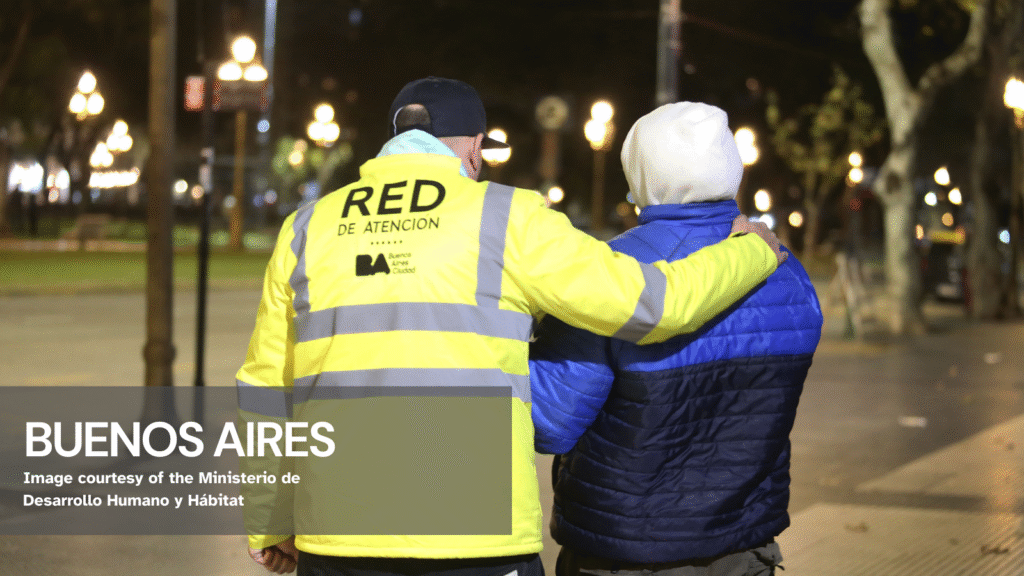
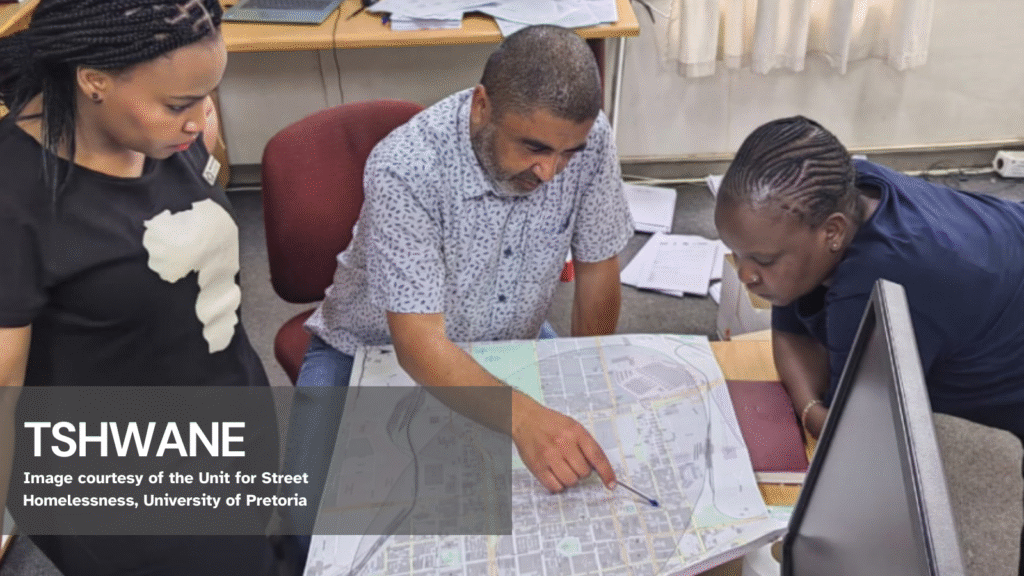
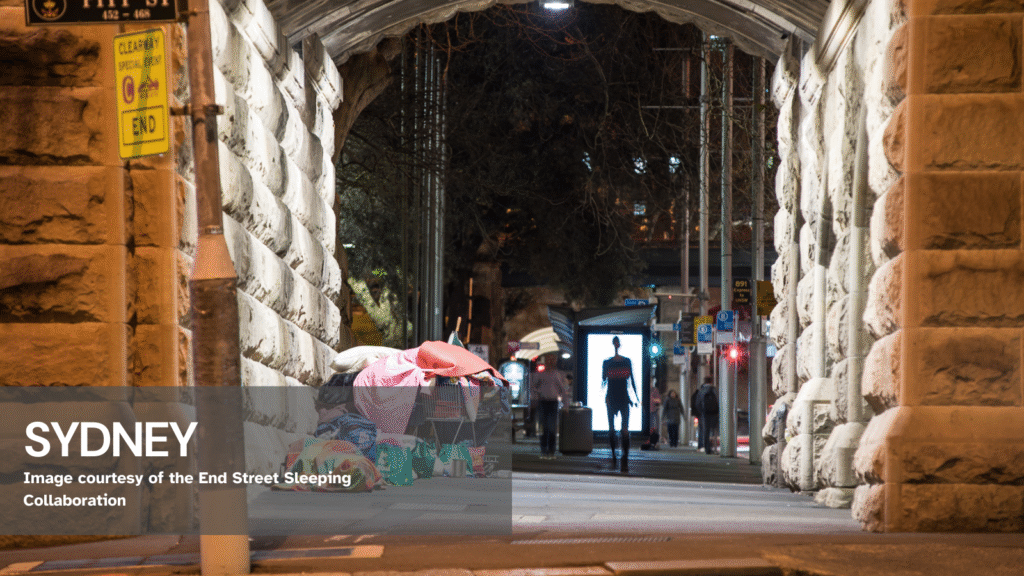
In the framework of our Vanguard Program, this case studies report documents and highlights initiatives and approaches implemented by eleven of our Vanguard Cities to prevent and end homelessness. The featured cities are Buenos Aires, Chicago, Glasgow, Greater Manchester, Mongolia, Lisbon, Santiago, São Paulo, Sydney, Tshwane, and Uruguay.
The objective of this report is to analyze what works, identify remaining challenges, and explore lessons that can be applied globally. The case studies are presented as examples of real-life adaptations. Often, translating recommended best practices into feasible solutions face multiple challenges, but these eleven locations evidence that enacting change is possible.



Authors
Yamitza A. Yuivar Villarreal, IGH Vanguard Program Associate
Julia Wagner, IGH Program Director
Acknowledgments
Each case study was prepared in collaboration with representatives from the respective Vanguard City, state, and country. IGH would like to thank all local partners and government representatives who contributed their time, knowledge, and experience to this work. Their insights and commitment to advancing solutions to homelessness were essential to the preparation of this case study report.
This report was translated from the original English into Spanish by Yamitza A. Yuivar Villarreal, Vanguard Program Associate at the Institute of Global Homelessness.
The Spanish version was copyedited by María Fernanda Alomia Barona, Leader of the Narratives and Data-Based Communication Division at the Center for Wellbeing Studies – POLIS, Universidad de Icesi, Colombia.